- Empty cart.
- Continue Shopping


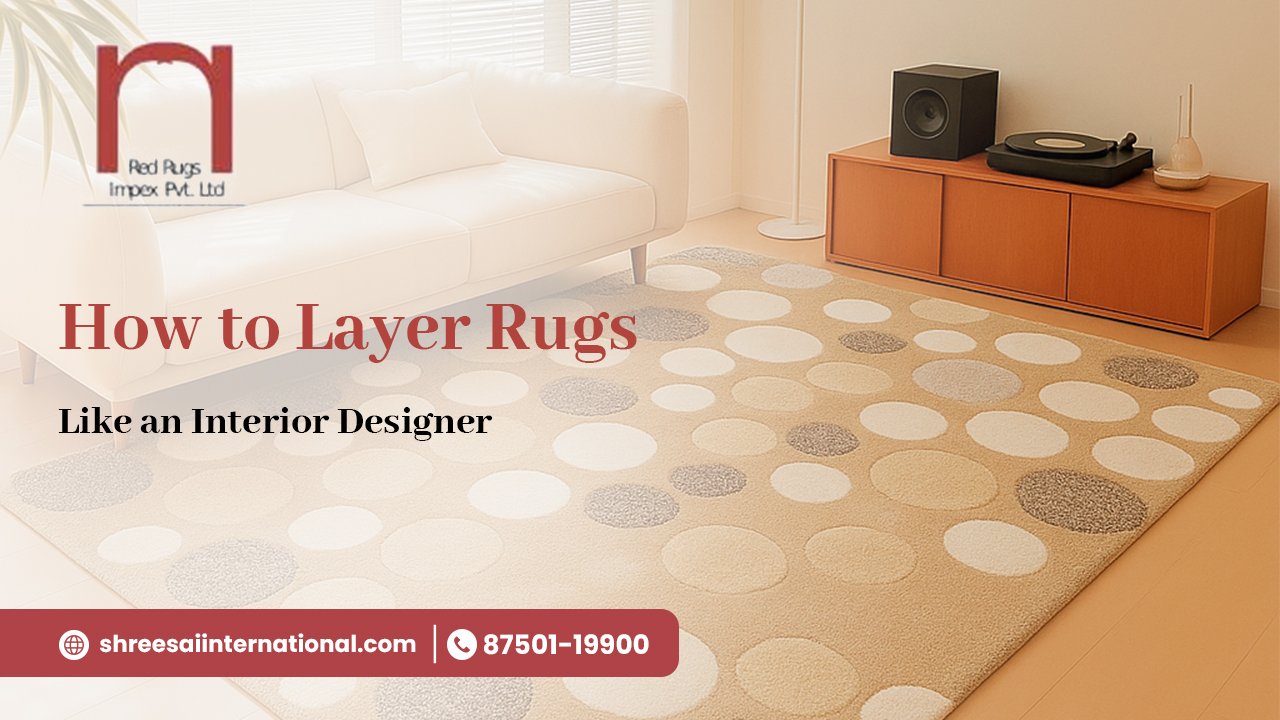
Rug layering is not just a trend — it is a never changing interior design technique that adds depth, texture, and personality to any space. Whether you’re renovating your living room or adding dimension to your bedroom, layered rugs can add beauty to your space effortlessly.In this blog, we’ll break down the what, why, and how of rug layering, backed by insights from design experts, practical tips, and style inspiration for every room in your home.
What is Rug Layering?
Rug layering is the art of placing one rug on top of another to create visual interest and improve the aesthetic appeal of your space. It’s commonly used to:
- Add texture and contrast
- Introduce multiple patterns
- Define specific zones in open floor plans
- Provide extra warmth and comfort
Common Rug Layering Combinations:
- Jute base rug + Persian accent rug
- Neutral wool rug + geometric kilim
- Cowhide rug + solid color flatweave
Why Interior Designers Recommend Rug Layering
Interior design professionals and home decor influencers swear by rug layering — and here’s why:
1. Adds Dimension & Visual Appeal
Layered rugs can break the monotony of a single flat rug. Mixing patterns, textures, and colors brings richness and layers of personality to the floor.
2. Creates Functional Zones
In open-plan layouts, layering rugs helps define separate areas like the seating zone, reading corner, or dining area — without the need for physical partitions.
3. Budget-Friendly Makeover
Instead of replacing your large rug, you can update your space by simply adding a new smaller accent rug on top.
4. Seasonal Flexibility
Switch up your top layer based on seasons — warm, plush rugs for winter, and light, breathable weaves for summer.
“Layering rugs adds that lived-in, curated look we all love. It’s like wearing accessories that complete the outfit.”
— Ananya Shah, Interior Stylist & Home Decor Blogger
How to Layer Rugs: Tips & Best Practices
Before you start, here are expert-backed rules and tips to make your layered rug look intentional — not chaotic.
Start with a Neutral Base: Use a large jute, sisal, or solid wool rug as your foundation. This sets a calming tone and allows the top rug to shine.
Vary Sizes: The bottom rug should be large enough to anchor the furniture, while the top rug should be smaller — roughly 60–80% of the base size.
Mix Patterns with Solids: Pair a patterned rug with a solid base, or go bold with contrasting prints. Just ensure color harmony to avoid clashing.
Use Rug Pads for Safety: Layered rugs can shift or wrinkle. Add a non-slip rug pad between layers to keep things in place and avoid tripping hazards.
Room-Wise Rug Layering Ideas
🛋 Living Room
Combo: Jute rug + Vintage Persian
Effect: Warm, inviting, boho-chic. Works beautifully with wood flooring and neutral furniture.
🛏 Bedroom
Combo: Wool rug + Faux fur or sheepskin throw
Effect: Ultra-cozy and luxurious, especially when placed near the bed.
🍽 Dining Area
Combo: Flatweave base + Cowhide
Effect: Elegant yet practical. The base rug defines the area, and the cowhide adds character.
Meditation/Yoga Nook
Combo: Cotton dhurrie + Hand-knotted wool rug
Effect: Serene, grounded, and spiritually aligned.
Rug Layering Size Guide
| Room | Base Rug Size | Top Rug Size |
| Living Room | 8′ x 10′ or 9′ x 12′ | 5′ x 7′ or 4′ x 6′ |
| Bedroom | 6′ x 9′ | 3′ x 5′ or runners |
| Hallway | 2.5′ x 8′ runner | Small scatter rug |
| Dining Area | 8′ x 10′ | 5′ x 7′ |
Where to Buy Rugs for Layering?
For quality layering, choose rugs that are flatwoven, durable, and stylistically complementary. You can explore:
- IKEA – Budget-friendly basics
- Urban Outfitters Home – Trendy top-layer rugs
- RugVista or Jaipur Rugs – Premium, handcrafted collections
- Local Markets – For unique, ethnic weaves and vintage rugs
FAQs About Rug Layering
Can I layer rugs over carpet?
Yes! Use a rug with strong backing like jute or wool over low-pile carpet to add definition.
Is rug layering suitable for small rooms?
Absolutely. Use a light-colored base and a small accent rug to avoid visual clutter.
How many rugs should I layer?
Ideally two — one base, one accent. Three can work in larger, eclectic spaces, but avoid overdoing it.
Can Washable Kitchen Rugs Be Used on Hardwood Floors?
Yes, but using a non-slip rug pad is recommended to prevent shifting and protect the floor from scratches or moisture.
How Often Should I Wash My Kitchen Rug?
For high-traffic kitchens, washing every 2-3 weeks is ideal. However, spot cleaning should be done as needed to maintain hygiene.
Final Thoughts: Layer Like a Pro
Rug layering is more than just décor — it’s a design trick that adds soul, style, and warmth to your space. It’s affordable, adaptable, and allows your creativity to shine.
Pro Tip: Start small with the bedroom or reading nook. Once you get the hang of it, you’ll want to layer rugs in every corner of your home.
